By Shurden’s Roofing
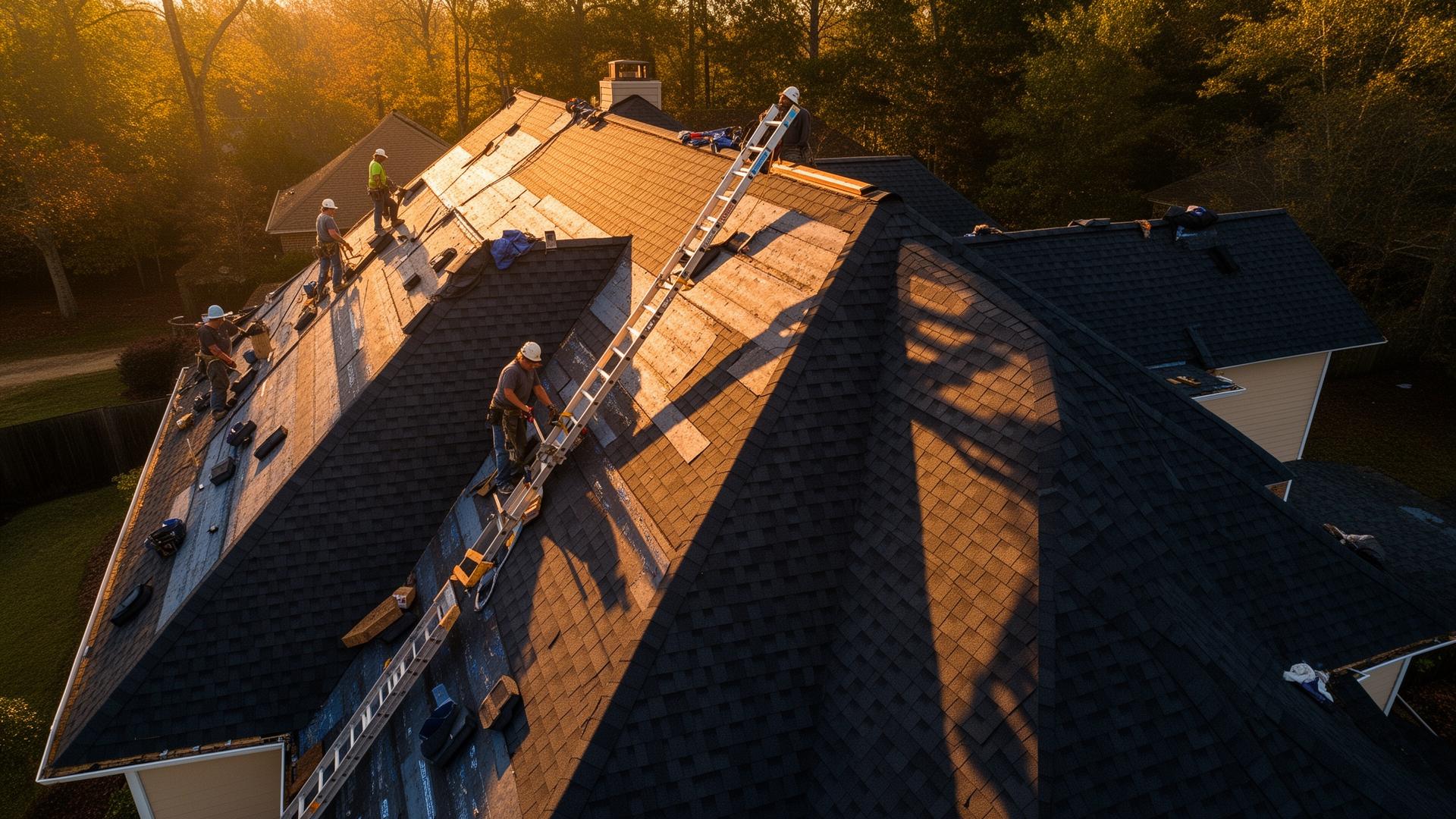
A useful roof inspection should leave you understanding what was observed, what could not be checked and what the next decision is. Before arranging a visit in North Mississippi, gather a short history of the problem and ask what the appointment includes. This guide describes questions and preparation steps, rather than promising a particular inspection method, report format or completion time.
Before the appointment: describe the problem clearly
Prepare a few facts: your city, the type of building, when you noticed the concern, whether there is active leaking and whether another contractor has worked on the area. If you have an earlier estimate, repair invoice or roof warranty, keep it available. An approximate installation year is useful if you know it; mark it as an estimate if you do not.
Photograph visible interior stains from a safe location. A sequence of pictures with dates may be more useful than one close-up with no context. Do not go onto the roof to prepare for the appointment. If damage affects the safety of the building, contact the appropriate emergency or utility service before treating the situation as a routine inspection.
Confirm access and the scope of the visit
Ask who needs to be present and whether the inspector expects access to a yard, gate, driveway, interior room or attic. Arrange permission with the property owner or tenant. Mention dogs, locked gates, overhead wires and any access restrictions. For a commercial building, name the person who can authorize access and explain any tenant or business-hour constraints.
Confirm which areas will be evaluated, how findings will be shared and whether there is a charge for any additional investigation. Roof access depends on conditions, including weather and safety. A ground-level or aerial view can answer some questions but may leave others unresolved. Ask the inspector to record those limits rather than assume every concealed component has been checked.
During the assessment: connect observations to questions
The discussion may cover the visible roofing, edges, roof penetrations, flashing details and the location of any interior water evidence. Tell the inspector what you have noticed without trying to diagnose the cause. A statement such as “the stain appears during wind-driven rain” is useful even when you cannot identify the entry point.
Ask for an explanation in plain language. Which condition is damage? Which is ordinary wear? Which observation needs further investigation? If ventilation, drainage or hidden decking is mentioned, ask what evidence supports the concern and whether it changes the repair recommendation. Inspection access and methods vary; do not assume that a contractor has opened concealed areas unless the report says so.
Ask for useful documentation
A practical record identifies the building, the areas inspected, observed concerns and any limits on the assessment. Photos should be understandable alongside the explanation. Ask the contractor to identify the relevant roof area so you can connect each image to the proposed work. A close-up without location or context can be difficult to compare with another estimate.
Keep your own notes from the conversation. If temporary protection is recommended, ask how it differs from a permanent repair and whether a separate authorization is required. If no work is recommended, ask which changes should prompt you to call again. An inspection is an assessment at a particular time, not a guarantee that no future leak can occur.
Turn the findings into a clear next step
If work is proposed, ask for a written scope. It should identify the problem being addressed, the planned materials or system, exclusions, cleanup responsibilities and how unexpected conditions will be handled. Ask about timing and the circumstances that could change it. A homeowner should not have to infer the scope from a single total price.
For a possible insurance claim, the inspection record can support your conversation with the insurer, but it does not decide coverage. Contact your insurer about its procedures and deadlines. Do not postpone an insurer notification solely because you are waiting for a contractor appointment. Keep the roof assessment and policy questions as related but separate conversations.
A short checklist for the day of the visit
Have your contact details, roof history, accessible photographs and questions in one place. Make agreed access available. Ask how you will receive findings and when to follow up. Before the visit ends, summarize the next step in your own words: repair estimate, replacement comparison, additional investigation or no work currently proposed.
Shurden’s Roofing has a contact page for North Mississippi inspection requests. Describe the concern and location there, then confirm the appointment scope and access requirements with the team. If a repair or replacement is recommended, use the related guides below to compare the proposal. The goal is a decision you understand, not a technical report you cannot use.